
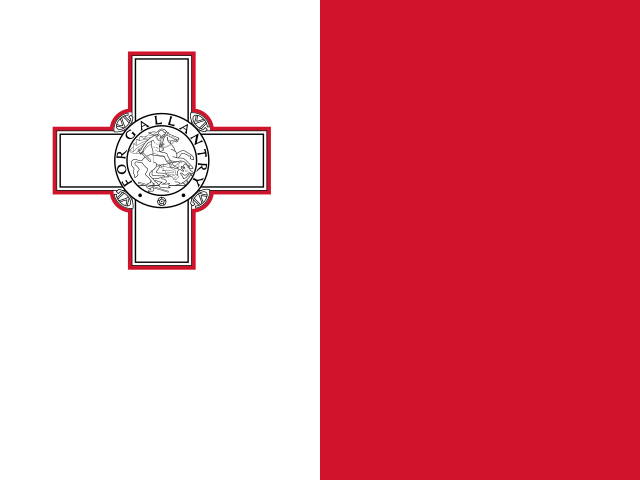
Malta
Malta cemented its position as a premier iGaming hub by being one of the first countries globally to implement a comprehensive regulatory framework for online gambling. Legislative reform began as early as 2001, recognising the possibility of remote gambling via the internet. This led to updates in regulations and the launch of the Lotteries and Gaming Authority (LGA), making Malta the first EU state to officially introduce iGaming laws. By 2004, these laws were expanded into a comprehensive and fully formalized legal framework, which continues to serve as an international benchmark. The LGA later rebranded as the Malta Gaming Authority (MGA) in 2015 to reflect its broader regulatory role and increasing international importance. The MGA's core mission is to competently regulate the various sectors of the gaming industry under its purview, ensuring gaming is fair and transparent, preventing crime, and protecting minors and vulnerable players.
The iGaming sector in Malta demonstrates significant strategic importance, contributing just under 7% of the Gross Value Added (GVA) of the Maltese economy in 2024, which rises to 10.1% when indirect effects are included. As of the end of 2024, the island hosts 315 companies licensed by the MGA, including online and land-based entities. This industry directly or indirectly supports approximately 18,000 individuals, representing around 6.2% of the national workforce. Specifically, 14,357 individuals were employed with companies holding an MGA licence in Malta, with 10,305 working on online MGA-licensed activities.