
Richard Bloch – From Marketing Executive to Head of Social Media at Entain
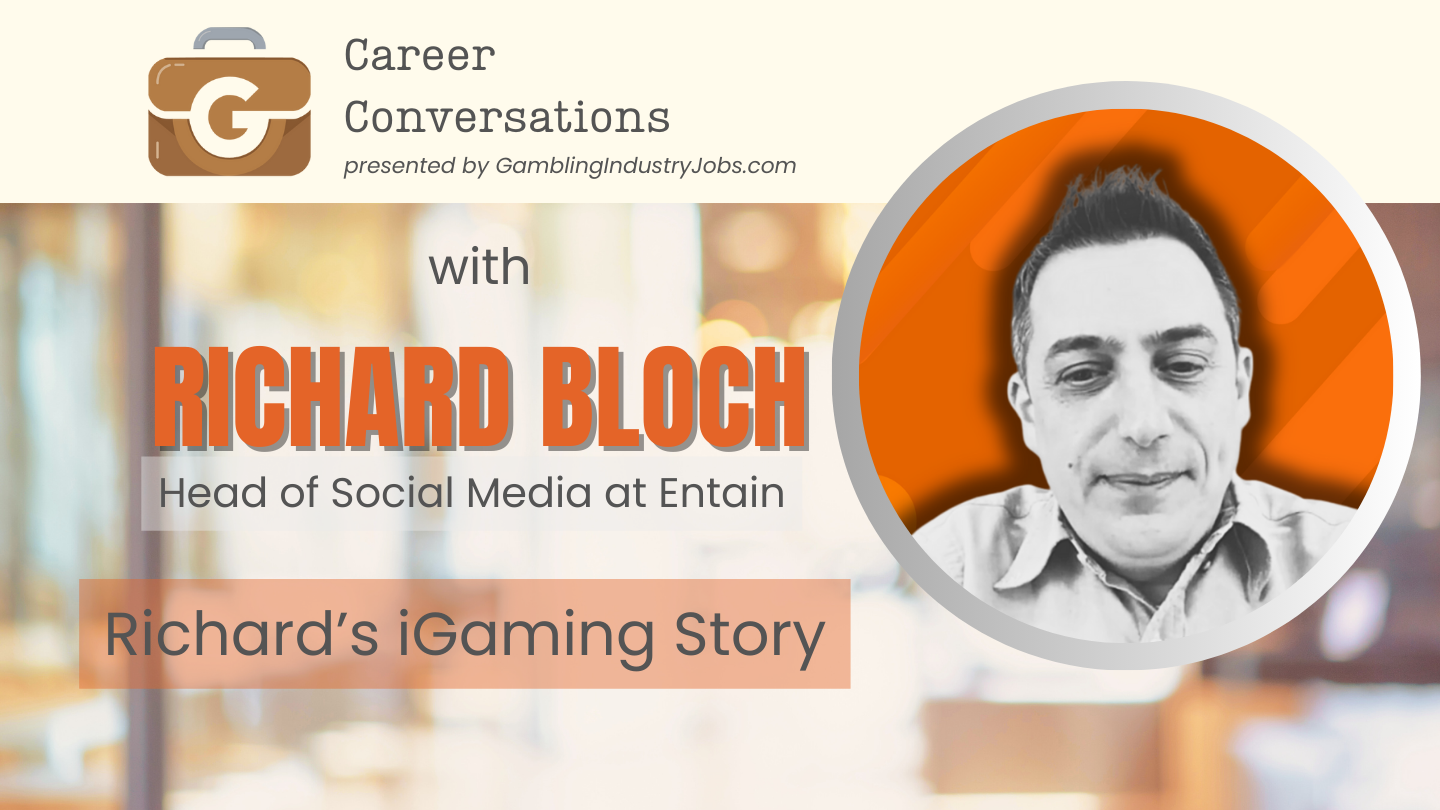
In this edition of Career Conversations, we dive into the fast-paced world of social media, digital brand strategy, and creative leadership through the lens of Richard Bloch, a seasoned professional with over 20 years of experience in the gambling industry.
Richard began his journey as a Marketing Executive at Benchmark Sport, later transitioning into sponsorship and PR roles before discovering his passion for social media while working at Betfair during the early days of Twitter.
Over the years, he’s held key roles at some of the industry’s biggest names, including 888, Betfair, PokerStars, William Hill, and Square in the Air, and is now the Head of Social Media at Entain, overseeing iconic brands like Ladbrokes and Coral.
This conversation includes topics like building social media teams, defining KPIs that matter, influencer marketing challenges, navigating compliance, and crafting standout content that cuts through the noise.
Richard shares honest insights into switching careers midstream, why he once took a pay cut to follow his passion, and how he balances creativity with commercial outcomes. He also offers advice on hiring, crisis management, and much more.
This article highlights key takeaways from the interview. 👉 You can watch the interview here.
Industry Contributions
With over 20 years in the gambling industry, Richard Bloch has been instrumental in shaping how brands connect with audiences through innovative social media strategy, creative content, and digital storytelling.
Throughout his career, Richard has made notable contributions to the gambling industry:
- During his time at Betfair, Richard was among the first in the industry to bring social media into the spotlight, taking a hands-on approach with the Betfair Poker Twitter account during the early days of Twitter.
- At PokerStars, Richard led social strategy on some of the brand’s most high-profile campaigns, including a mobile-shot content series featuring global football icons Ronaldo and Neymar, a campaign that won an EGR award for innovation and engagement.
Where Are You Now?
Richard is currently the Head of Social Media at Entain, one of the world’s largest sports betting and gaming groups. With a career spanning over two decades, Richard has led social and content strategy across top-tier gambling brands including Betfair, PokerStars, William Hill, and 888. At Entain, he oversees organic social media for flagship brands Ladbrokes and Coral, and will soon expand his leadership to additional brands like PartyPoker and Foxy Bingo.
A strong believer in content-first strategy and meaningful engagement, Richard is focused on creating authentic, entertaining, and compliant social media content that resonates with audiences. Whether building out team processes, managing campaign strategy, or navigating the regulatory challenges of influencer marketing, Richard plays a pivotal role in shaping Entain’s voice across platforms.
Key Points:
Leading Social Strategy at Entain: Richard heads up social media for major UK brands Ladbrokes and Coral, aligning tone of voice, campaign planning, and audience engagement across platforms.
Creative + Compliance Balance: He ensures that content not only performs but meets strict regulatory requirements, especially important when working with influencers and ambassadors.
Content & Community First: Richard believes the heart of a strong social strategy lies in engagement, deep interactions, and authentic storytelling, not just impressions or volume.
Scaling Across Brands: As his role grows, Richard is preparing to extend Entain’s social presence across a wider portfolio, bringing consistent, brand-aligned content to new audiences.
Industry Beginnings
Richard’s journey into the gambling industry began with a passion for sports and poker. Starting his career in sports management at Benchmark Sport, he initially aimed to become a sports agent but soon found himself drawn to the marketing side, particularly PR and sponsorship. His deep interest in poker aligned perfectly with an opportunity at 888.com in the early 2000s, just before the global poker boom. That role opened the door to a career that has spanned some of the industry’s biggest names, including Betfair, PokerStars, William Hill, and now Entain.
While at Betfair, Richard transitioned from PR to social media at a time when platforms like Twitter were still emerging for brands. What began as an experimental shift became a defining moment, he realized his passion for creating content that resonated with online communities. He later took a strategic step back in title and salary to join PokerStars in a social media role, valuing long-term passion and opportunity over immediate status. That bold move helped launch his path into senior leadership within iGaming’s digital marketing scene.
But that’s when I made the move from Betfair to PokerStars. So I actually took a little bit of a career sideways step or even backwards. So I went from being head of department for international PR at Betfair to I think it was like account exec for social media at PokerStars.
I took a pay cut. But PokerStars at the time were the biggest poker brand. I loved poker.
And I love social media. And even though I was, you know, in my 30s, it was something I was more passionate about. So I kind of, sometimes you have to go backwards to go forwards.
Key Points:
- Early Sports & PR Foundation: Started in sports management and PR before entering iGaming via 888 during the 2003 poker boom.
- Poker as a Gateway: His personal passion for poker gave him a unique edge early on, especially during the launch of major events like the World Series of Poker Europe.
- Pivot to Social Media: While at Betfair, Richard transitioned from PR to running the Betfair Poker Twitter account, discovering a true passion for social media strategy.
- Bold Career Move: Took a pay cut and step back in title to join PokerStars in a social media-focused role, recognizing it as the right long-term fit.
- Deep Brand Experience: Has since held leadership roles across iconic brands and also gained agency-side experience at Square in the Air, offering a well-rounded industry view.
Agency vs Operator side of the business
While Richard Bloch has gained valuable experience on both the agency and operator sides of the gambling industry, he admits his preference lies with working in-house at an operator.
He enjoys the focus and depth that come with being embedded within a brand, fully understanding its tone of voice, audience, and long-term goals. Although his time at the award-winning agency Square in the Air sharpened his skills in managing varied client needs, budgets, and objectives, Richard finds greater clarity and creative alignment when working with a single brand day-to-day.
Social Media KPIs
When it comes to measuring success on social media, Richard Bloch believes in keeping it simple and focused. For him, the most critical metric is engagement. Not just in volume, but in depth. Impressions and reach offer useful context but it’s the quality of interaction that truly signals a campaign’s success. Richard emphasizes the value of “deep engagement,” such as comments and shares, over passive actions like likes or views. These deeper interactions indicate that the content has resonated, sparked conversation, and organically extended brand reach. Rather than chasing a checklist of vanity metrics, his strategy centers on creating compelling, conversation-worthy content that drives meaningful audience interaction.
Key Points:
Engagement First: Comments and shares are more meaningful than likes or views, they show people care enough to react and participate.
- Deep vs. Light Engagement: A like may indicate casual approval, but comments and shares reflect real brand connection and advocacy.
- Content Quality Drives Metrics: Strong content naturally fuels reach and impressions, metrics that follow rather than lead the strategy.
- Conversation is Key: The best posts aren’t just liked, they spark discussions, replies, and community interactions.
- One Core KPI: Richard believes that if engagement is high, everything else tends to follow, making it the primary metric to watch.
Standout Campaign
One of Richard’s most memorable and award-winning campaigns took place during his time at PokerStars, featuring none other than global football icons Ronaldo and Neymar. While the concept may seem standard today, it was groundbreaking at the time. The entire campaign was shot on mobile phones to deliver a raw, authentic feel, a stark contrast to the polished productions of the era.
The series positioned Neymar and Ronaldo in playful poker-themed competition, using poker language and connecting it with their competitive personas. The simplicity, timing, and star power struck a chord with audiences and judges alike, earning the campaign an EGR Award. For Richard, it was a highlight because of the fame attached and also because of the collaboration, creativity, and authentic execution that set a new benchmark in social-led sports content.
Key Points:
- Star Power Meets Strategy: Featured global football stars Ronaldo and Neymar, enhancing reach and engagement instantly.
- Authenticity at the Core: Entire campaign was shot using mobile phones to capture a more relatable, behind-the-scenes vibe.
- Poker Narrative: Built around playful poker competition using real terminology, aligning with PokerStars’ brand identity.
- Award-Winning Impact: Earned an EGR Award, recognized for its originality and success in engagement.
- Team Effort: Richard credits the success to cross-departmental collaboration and strong creative teamwork, not just individual execution.
- A Benchmark Moment: The campaign remains a career highlight and a standard Richard hopes to exceed with future work at Entain.
Influencer Marketing
For Richard, influencer marketing has been a core part of his strategy for over a decade. At Entain, he currently collaborates with a diverse range of influencers, such as Big John, who recently partnered with the brand around the Grand National, to amplify reach and inject authentic energy into campaigns.
However, while influencer partnerships offer clear opportunities for engagement and visibility, they also come with strict compliance responsibilities. Richard highlights the importance of transparency, particularly in labelling paid promotions, and ensuring all influencer collaborations meet Advertising Standards Authority (ASA) regulations. With a strong internal compliance team, Entain takes a data-driven approach, carefully vetting influencer audiences and age demographics to ensure content stays responsible and brand-safe.
Key Points:
- Strategic Amplification: Richard uses influencers to extend content reach across platforms and access niche, engaged communities.
- Transparency Required: All influencer posts must clearly disclose when content is paid, ensuring transparency with audiences.
- Strict Compliance Checks: Entain ensures that influencers and their audiences meet age and content guidelines, especially with ASA regulations.
- Audience Vetting: Influencer audiences are audited to ensure the majority are over 18 (or 25 depending on region/brand).
- Team Collaboration: Richard credits Entain’s strong compliance team with helping navigate the legal and ethical requirements of influencer marketing.
- Authenticity Still Matters: Despite regulatory challenges, Richard looks for partnerships that feel natural and credible, not just compliant.
Tools of the Trade
While there’s no shortage of third-party tools for social media scheduling, analytics, and influencer management, Richard takes a more hands-on approach. At Entain, he and his team do use audience-checking tools to ensure influencer partnerships meet compliance standards but when it comes to measuring content performance and engagement, Richard prefers to rely on the native analytics provided by each platform.
His reasoning? Third-party tools often come with discrepancies, and platforms like LinkedIn are especially restrictive when it comes to external tools. Although manual tracking can be more time-consuming, Richard believes it results in more accurate data, a deeper understanding of platform behavior, and ultimately better strategy decisions. For him, it’s worth the spreadsheets.
Key Points:
- Compliance Tools: Audience verification tools are used to ensure influencer content adheres to age and regulatory standards.
- Manual Over Automated: Richard prefers pulling performance data directly from platforms like X, Instagram, and Facebook, rather than relying solely on tools like Hootsuite or Sprinklr.
- Accuracy First: Native platforms provide the most reliable data, third-party tools often show discrepancies.
- Platform Behavior Matters: LinkedIn in particular doesn’t play well with social tools, reinforcing the need for native use.
- Extra Effort, Better Insight: Despite being more labor-intensive, manual tracking offers clearer, more trustworthy insights for campaign evaluation.
Budget and Social Media Effectiveness
Richard acknowledges that having a larger social media budget certainly helps, but only when paired with strong, engaging content. From access to high-profile ambassadors to increased promotional spend, bigger budgets unlock more opportunities.
However, Richard emphasizes that without the right creative ideas, no amount of money can salvage unengaging content. In fact, pushing poor-quality content with a large budget may even damage a brand’s reputation. At Entain, Richard approaches content planning at two speeds: daily reactive posts and long-lead “hero” campaigns tied to major events. His focus remains on building a feed that is engaging first, while also carefully balancing commercial messages, cross-team collaboration, and brand storytelling.
Key Points:
- Budgets Help, But Creativity Wins: A bigger budget means more tools and reach, but without engaging content, it’s wasted spend.
- Avoiding the Push Trap: Promoting poor content can backfire, leading to audience frustration and brand fatigue.
- Two-Tiered Planning: Richard’s team operates on two tracks, reactive daily content and strategic long-range “hero” campaigns tied to events or ambassadors.
- Cross-Team Collaboration: Social works with brand, trading, sponsorship, and marketing teams to align messaging and content priorities.
- Content Mix Matters: A successful social feed balances informative, entertaining, and commercial content, not just brand promos.
- Social as a Strategic Function: Social media isn’t just for broadcasting, it’s where community meets brand, and Richard ensures that the business recognizes its role in engagement, not just conversions.
Social Media ROI
Measuring ROI in social media, especially organic content, is notoriously challenging, and Richard is candid about that reality. Unlike paid channels or sponsorship placements, where impact can be quantified in seconds on screen or direct conversions, social media’s value often lies in softer, long-term metrics like engagement, sentiment, and brand loyalty.
Richard emphasizes that while impressions and engagements are easy to track, tying those directly to revenue is far more complex. However, internal studies and brand trackers have shown that users who engage with a brand on social media are typically higher-value customers with stronger retention and lower churn.
“other departments have the benefit of being able to show number of deposits and number of bets placed, we don’t have that unfortunately in social, and if you were to judge us by that, we wouldn’t get the investment, so you know, I mean, you shouldn’t really measure social media, otherwise you, if you were being measured in terms of number of bets placed, for example, you would change all of your content, and it wouldn’t be engaged, you’d be doing the opposite of what you should be doing on social, there are other channels, such as paid social performance marketing, that should be designed to encourage new customers or retention, our job is to engage, inform, and to educate, where necessary, our social media.”
For Richard, this reinforces the importance of continued investment in social media, not because it drives direct conversions, but because it builds deeper, more lasting relationships with the audience.
Key Points:
- Hard to Quantify, But Still Critical: Social media doesn’t offer the same immediate ROI tracking as performance channels, but that doesn’t mean it lacks value.
- Soft Metrics Matter: Impressions, engagements, sentiment, and brand visibility are key indicators of social success, even if they don’t tie directly to conversions.
- Brand Trackers & Surveys: Tools like Nielsen and internal insights help identify customer value, retention rates, and brand lift from social audiences.
- Better Quality Customers: Social followers tend to churn less and engage more with the brand, proving their long-term value.
- Don’t Chase the Wrong Metrics: Measuring social solely by deposits or bets would shift content away from authentic engagement and ultimately harm brand reputation.
- Engage, Inform, Educate: Richard sees organic social’s role as strengthening brand connection, not pushing sales, which is the job of paid channels.
Crisis Management
With an annual volume of around 10,000 social media posts, Richard knows that even with the most rigorous compliance and ASA training, the occasional issue is unavoidable. While Entain’s social team is well-prepared, Richard acknowledges that a post may occasionally slip through, and when it does, speed, discretion, and professionalism are key.
Screenshots travel fast, and the internet can be quick to amplify even minor missteps. Richard’s approach is to avoid feeding the fire. The team removes problematic content when needed but doesn’t engage in back-and-forth debates, especially with those looking to provoke controversy. The focus is on staying true to the brand, avoiding escalation, and learning from each incident to further tighten processes.
Key Points:
- Volume = Risk: With thousands of posts per year, occasional issues are statistically inevitable, even with trained teams and safeguards in place.
- Prepared, Not Immune: Richard’s team is fully trained in ASA and compliance, but acknowledges human error or interpretation gaps can occur.
- React Quickly & Calmly: When something slips through, the team acts fast to remove content and mitigate impact, knowing screenshots often live on.
- Don’t Engage with Trolls: The policy is clear, don’t escalate or respond to individuals who are baiting or debating controversial topics.
- Minimize, Learn, Move On: Each incident is treated as a learning opportunity to strengthen future content review processes.
- Avoiding Controversy: The goal is to post engaging content that sparks conversation, not conflict, and to walk the line between bold and brand-safe.
Frameworks and Processes
When starting out as a social media manager, especially for a new casino brand, Richard stresses the importance of getting the basics right from day one. It starts with setting up a consistent, compliant brand presence across all platforms and then moves quickly into developing a clear, documented strategy.
This strategy should define everything from tone of voice and posting frequency to how commercial content is balanced with engagement-focused posts. At Entain, Richard created a social media playbook to ensure consistency across multiple team members and platforms, emphasizing that audiences expect a unified voice, no matter who is behind the keyboard. A good strategy isn’t a one-time effort, it’s a living document that adapts to platform changes, brand evolution, and audience behavior.
Key Points:
- Brand Setup Basics: Consistent avatars, bios, and cover photos across platforms help establish immediate credibility and recognition.
- Strategy is Non-Negotiable: Every brand needs a clearly written plan outlining tone of voice, content cadence, commercial vs. engagement balance, and platform behavior.
- Unified Tone of Voice: Whether you’re a team of one or thirty, your content should sound like it’s coming from one cohesive brand personality.
- Consistency Over Virality: Regular, authentic content builds trust more effectively than sporadic viral attempts, especially in regulated industries like gambling.
- Document & Share: A strategic guidebook can serve as a north star for new hires and collaborators, ensuring alignment across all contributors.
- Evolve as You Grow: Your initial strategy isn’t set in stone, it should evolve with your audience, platforms, and internal goals.
Hiring for Social Teams
When building his social media team, Richard prioritizes passion, writing ability, and cultural fit over perfect CVs or prior experience. While having relevant work history helps, he’s hired team members without a formal social background, provided they show a natural enthusiasm for content creation and strong writing skills.
A key part of his hiring process involves a practical content test (e.g., writing social posts for a hypothetical football match) to assess tone, creativity, and grammar. Richard also values curiosity. Someone who wants to know why a post worked or didn’t.
Red flags aren’t about personality or background, but rather misaligned expectations. Like assuming the role is all glitz and events, when in reality it’s mostly hands-on content work and analysis. A realistic view of the role, combined with excitement and commitment, is what he’s truly looking for.
Key Points:
- Writing First: Strong grammar, English, and the ability to write engaging content are non-negotiable.
- Content Test > CV: Candidates complete a real-world writing task to evaluate their ability and voice.
- Passion for Social is Crucial: Richard looks for people genuinely excited about social media, who analyze what makes content succeed.
- Curiosity Counts: The best candidates have an inquisitive mindset and monitor performance after publishing.
- Red Flags = Misunderstood Role: Expecting event glamour over content creation and team collaboration is a mismatch.
- Hard Work is the X-Factor: While hard work can’t be proven in an interview, Richard hopes to see it reflected post-hire.
Emerging Trends
Richard encourages social media professionals to look beyond micro-trends and instead focus on the macro changes that will truly shape the future of the industry. While platforms like Facebook or Instagram may tweak features regularly, those small shifts shouldn’t distract from the bigger picture. For Richard, key long-term trends include the rise of AI, the continued dominance of influencer marketing, and the expanding role of regulation. He stresses that AI will undoubtedly assist with content creation, especially imagery and video, but human creativity, especially when it comes to humor, cultural nuance, and audience engagement, still reigns supreme. Social media isn’t going anywhere, and those who focus on the enduring trends will be best equipped to evolve with it.
Key Points:
- Macro Over Micro: Don’t obsess over platform updates, focus on industry-wide shifts that actually change the game.
- AI as an Assistant, Not a Replacement: Tools like ChatGPT and Midjourney are helpful but can’t replicate humor, slang, and cultural relevance, yet.
- Influencer Marketing Is Here to Stay: The space is evolving but not going away, especially in industries that rely on amplification and engagement.
- Regulation Will Keep Evolving: Compliance is a moving target, staying ahead of ASA and platform-specific rules is essential for social teams.
- Creativity Still Wins: Authentic, human-written content still outperforms AI-generated text in most high-engagement environments.
- Adaptability Is a Must: Social media professionals should be curious, open-minded, and flexible, ready to integrate new tools while staying grounded in core principles.
Parting Advice
As a closing thought, Richard keeps it simple but powerful: be authentic and consistent. Whether you’re just entering the gambling industry or looking to move up the ladder, Richard believes your personal style and the way you communicate, especially in social, must come from a place of honesty. Audiences can sense when something is off, and the best content, the kind that resonates and performs, always stems from genuine engagement.
While the advice may sound obvious, Richard notes it’s surprising how often it’s overlooked. In a space as fast-moving and competitive as social media, those who consistently show up with real, relatable content are the ones who stand out.
Key Points:
- Authenticity is Everything: Create content that reflects your voice and values. People can tell when it’s forced.
- Consistency Builds Trust: Whether it’s your content tone or your personal brand, showing up consistently is critical.
- Don’t Overthink It: The basics, honesty, effort, and curiosity, go a long way in building a successful career.
- Stand Out by Being You: In a competitive field, uniqueness is your superpower, use it wisely and stay true to it.
- Keep Learning, Keep Engaging: The best social media professionals remain curious, analyze what works, and adapt over time.
Summary
Richard Bloch’s journey from PR and sponsorships to leading social media for some of the industry’s biggest names is a masterclass in adaptability, passion, and long-term vision. With insights that span from navigating early poker booms to building modern-day brand engagement strategies, Richard offers a refreshing, no-nonsense perspective on what truly drives success in gambling industry marketing. His focus on authentic content, meaningful engagement, and evolving with the industry reflects the kind of leadership that not only adapts to change, but helps shape it.
Frequently Asked Questions
Richard keeps measurement simple: engagement is the core KPI. He values depth over volume, meaning comments and shares matter more than likes or views. Deep engagement signals that content resonated enough to spark conversation and advocacy, and he believes strong engagement tends to pull reach and impressions up naturally.
The campaign was ahead of its time because it leaned into authenticity instead of polished production. It was shot entirely on mobile phones to feel raw and relatable, and it used a playful poker competition narrative that matched the stars’ competitive personas. Richard also credits cross-team collaboration as a major driver of success, not just celebrity reach.
Richard prefers pulling performance data directly from platforms like X, Instagram, Facebook, and LinkedIn because third-party tools can show discrepancies. He also points out that LinkedIn is particularly restrictive with external tools. Manual tracking takes more time, but he believes it produces more accurate insights and a better understanding of platform behaviour.
A bigger budget helps only if the content is strong. It can unlock ambassadors, higher production options, and more amplification, but it cannot rescue unengaging creative. Richard warns that pushing poor content with significant spend can backfire by irritating audiences and damaging brand perception. His approach balances daily reactive content with long-lead “hero” campaigns tied to major events.
Richard is candid that organic social doesn’t map cleanly to deposits or bets the way performance marketing does. Social value often shows up in long-term indicators like engagement, sentiment, and brand loyalty. He points to brand trackers and internal studies suggesting that people who engage with a brand on social media tend to be higher-value customers with stronger retention and lower churn.
Richard starts with fundamentals: consistent avatars, bios, and brand presence across platforms to establish credibility. Next comes a written strategy defining tone of voice, posting cadence, and the balance between commercial messaging and engagement-led content. He also emphasises a social media playbook so the brand sounds like one cohesive voice, even across multiple team members.
Writing ability and passion matter most. Richard uses practical content tests (like writing posts for a hypothetical football match) to assess creativity, grammar, and tone, and he values curiosity about why content performs. A major red flag is misunderstanding the job, assuming it’s mostly events and glamour rather than hands-on content creation, collaboration, and performance analysis.


